
I'm Elliot.
I design thoughtful product experiences that scale.
Projects
Turning complex product problems into scalable solutions.

Taco Bell → Personalization system

Perception → AI system

Meta → Global system

Experian → Data system
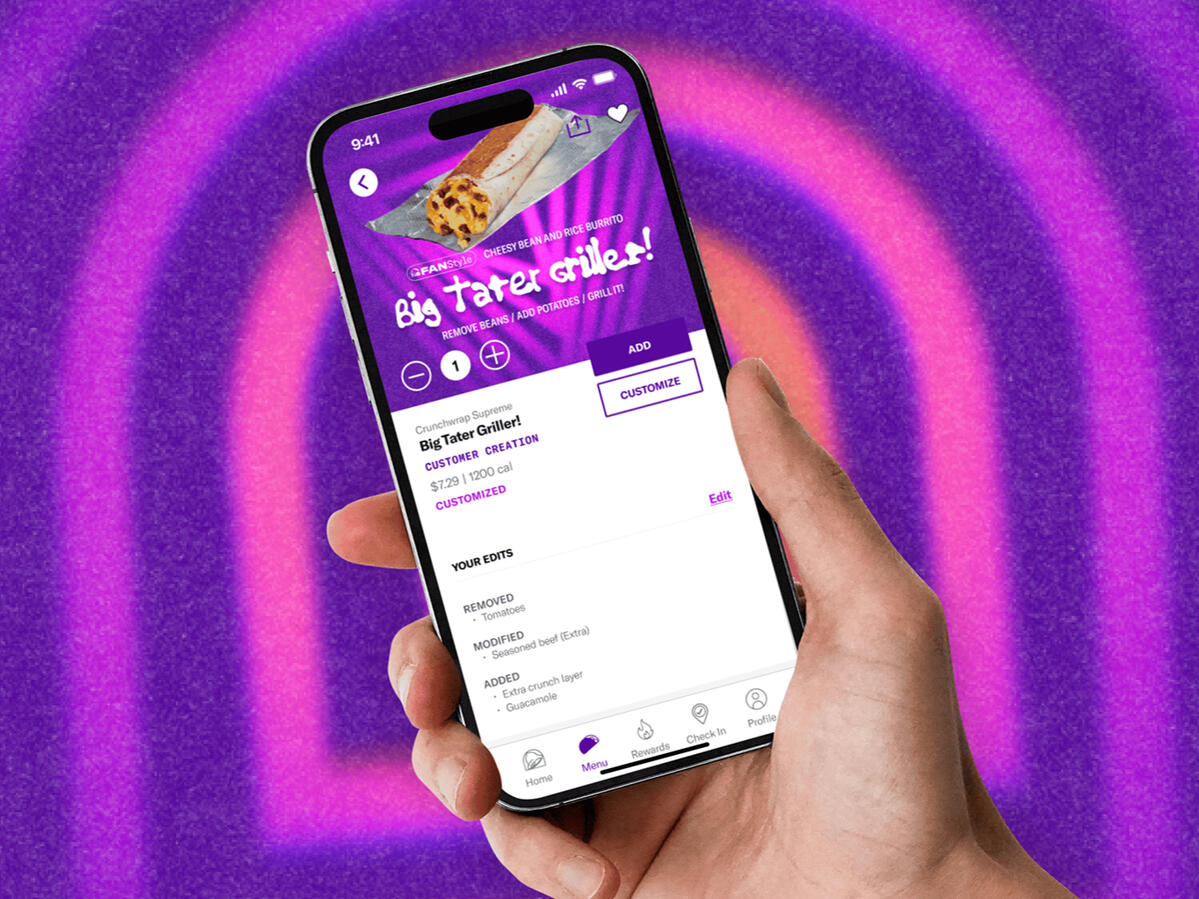

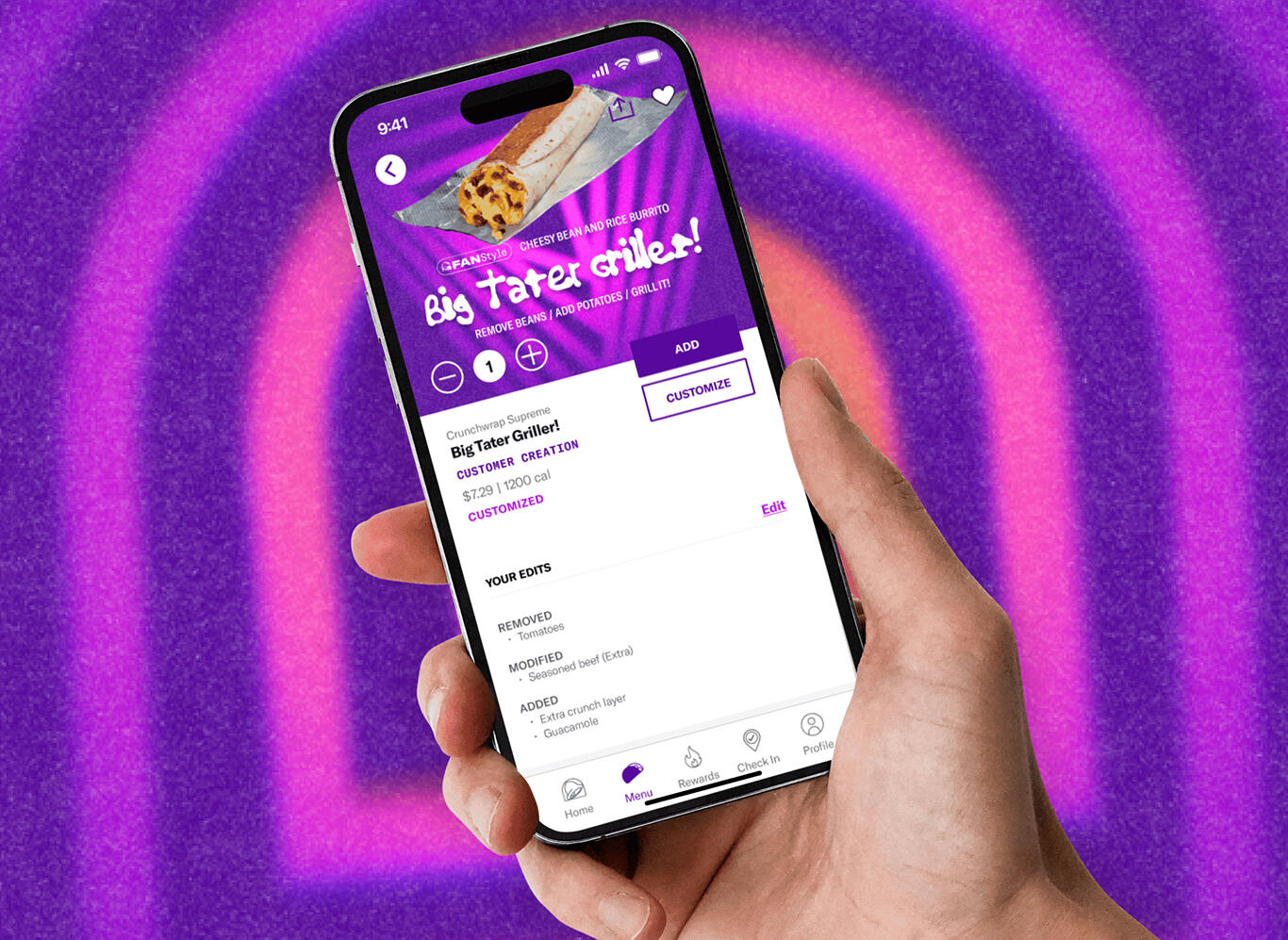
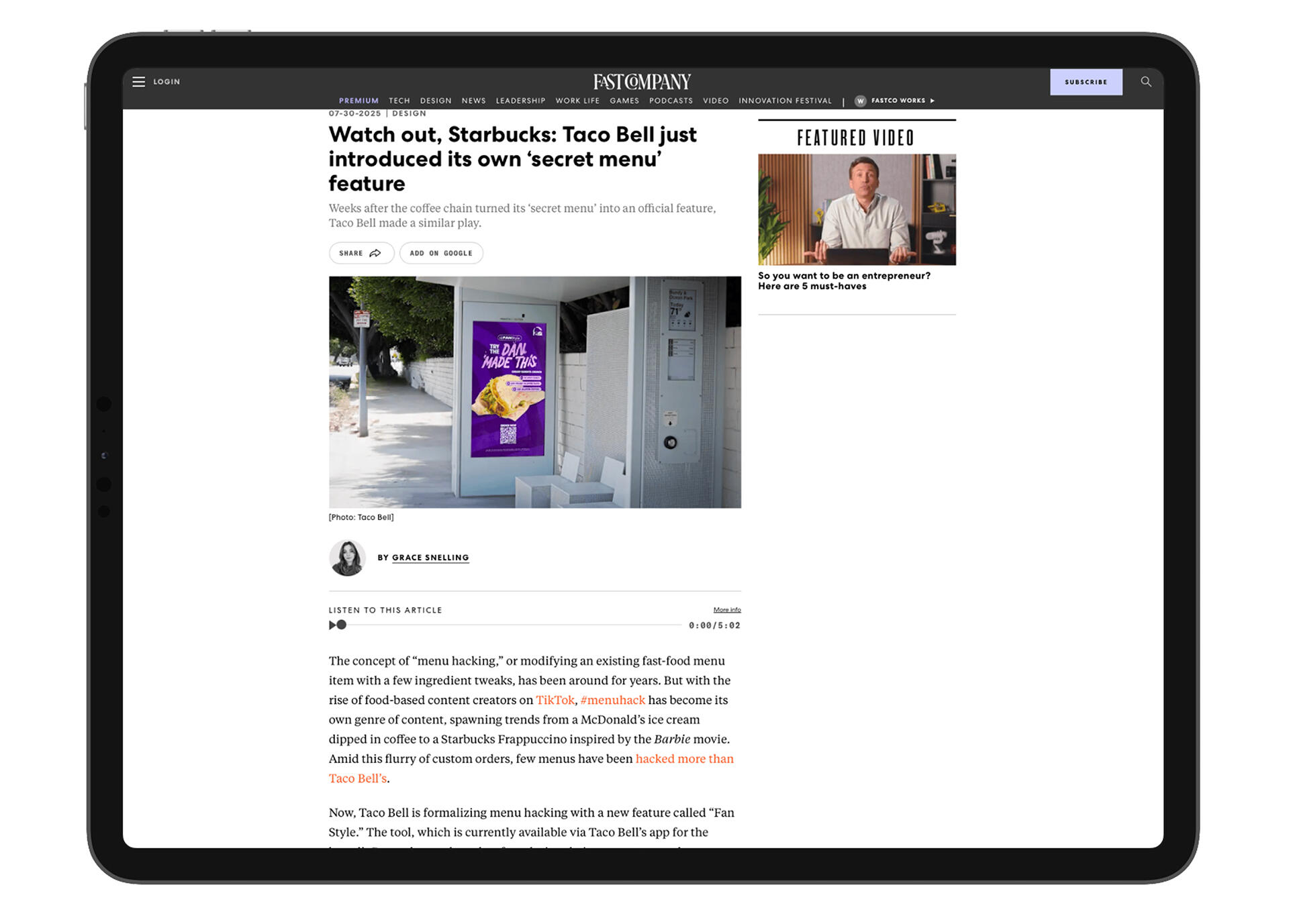
Turning Personalization into a Scalable Fan-Driven Product System
Fan Style transforms Taco Bell customization into a shareable, rewardable experience turning everyday ordering into a fan-driven product system that drives engagement, social reach, and measurable business impact.
Leadership Scope
Led the end-to-end native app product experience from discovery through launch
Set experience direction across personalization, sharing, and rewards
Drove alignment across Product, Engineering, Legal, Marketing, and Analytics
Established patterns for moderation, governance, and scalable design systems
Opportunity
How might we scale fan-driven creation and sharing while balancing engagement, revenue, and brand safety?
Approach
Established product direction under constraint by defining a clear principle in that creation should feel effortless, sharing rewarding, and safety seamlessly enforced while aligning early with Legal and Engineering on moderation, data, and platform realities.
Led cross-functional decision-making by exploring multiple recognition approaches and ultimately driving a pivot away from leaderboard-based competition toward a more scalable, risk-aware model that balanced engagement with legal and moderation constraints.
Built the interaction and visual system as a product capability by partnering with Taco Bell’s internal brand agency and introducing style cards, a “My Styles” library, and social-ready share assets so sharing felt like a natural extension of ordering and not an extra step.
Operationalized safety and scalability by defining moderation workflows and governance patterns that made the system sustainable and extensible without ongoing redesign.
Enabled measurement and iteration by partnering with Product and Analytics to establish creation, sharing, and conversion metrics and identify opportunities to improve engagement post-launch.


Key Product Decisions
Prioritized one-tap creation from PDP to maximize conversion
Shifted to a risk-aware recognition model to balance motivation with constraints
Made sharing a core behavior, not just an add-on


Outcome
35,000+ Fan Styles created
~4% increase in AOV for Fan Style orders
Strong earned media coverage (Fast Company and People Magazine) and social amplification
Scaling Impact
Established a foundation for user-generated content and personalization systems including reusable patterns for moderation, shareability, and fan-driven engagement.

Defining Explainable AI for Creative Workflows
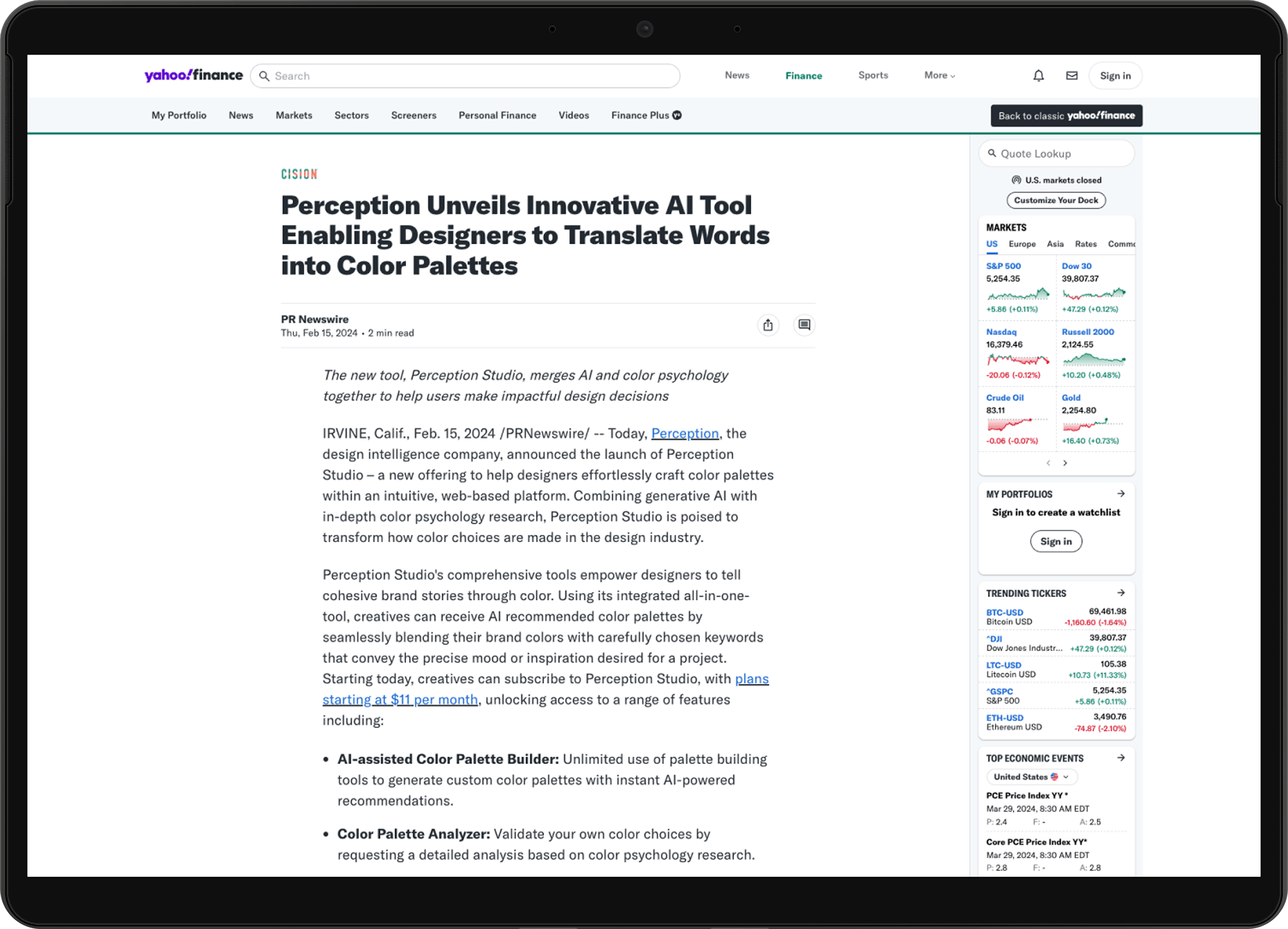
Perception is an AI-powered color platform that enables designers to search, generate, and refine palettes using semantic mood bridging creative intuition with explainable AI.
Leadership Scope
Led product strategy and UX direction from concept through beta
Defined core principles for AI-assisted creative workflows
Drove alignment on usability, trust, and complexity tradeoffs
Built a modular system for scalable AI interactions
Opportunity
How might we use AI to simplify color workflows while preserving designers’ intent and avoiding opaque, “black box” outputs?

Approach
Defined product direction early by positioning semantic/mood search as the primary workflow to align with how designers think and explore ideas.
Made AI outputs understandable and trustworthy by introducing explainability patterns such as mood mapping and confidence cues so the system felt like a collaborator rather than an unpredictable generator.
Managed complexity through system design by evolving from a single-surface prototype into modular workflows that allowed users to move seamlessly from search to generation to refinement.
Built reusable components for scale by including tags, sliders, and generation modules that could extend across the product as it evolved.
Validated workflows through iteration by refining interactions and outputs based on usability testing and feedback.


Key Decisions
Prioritized semantic search over traditional color tools
Treated explainability as a core requirement, not a feature
Shifted to modular workflows to support scale and usability


Outcome
Beta launch in June 2023
10,000 users within six months
Expanded reach through a partnership with Playbook, a creative platform boasting over 800,000 users.
Scaling Impact
Established reusable patterns for explainable AI and modular interaction design enabling the system to extend beyond its initial feature set.
Designing for Global Scale, Accessibility, and Localization
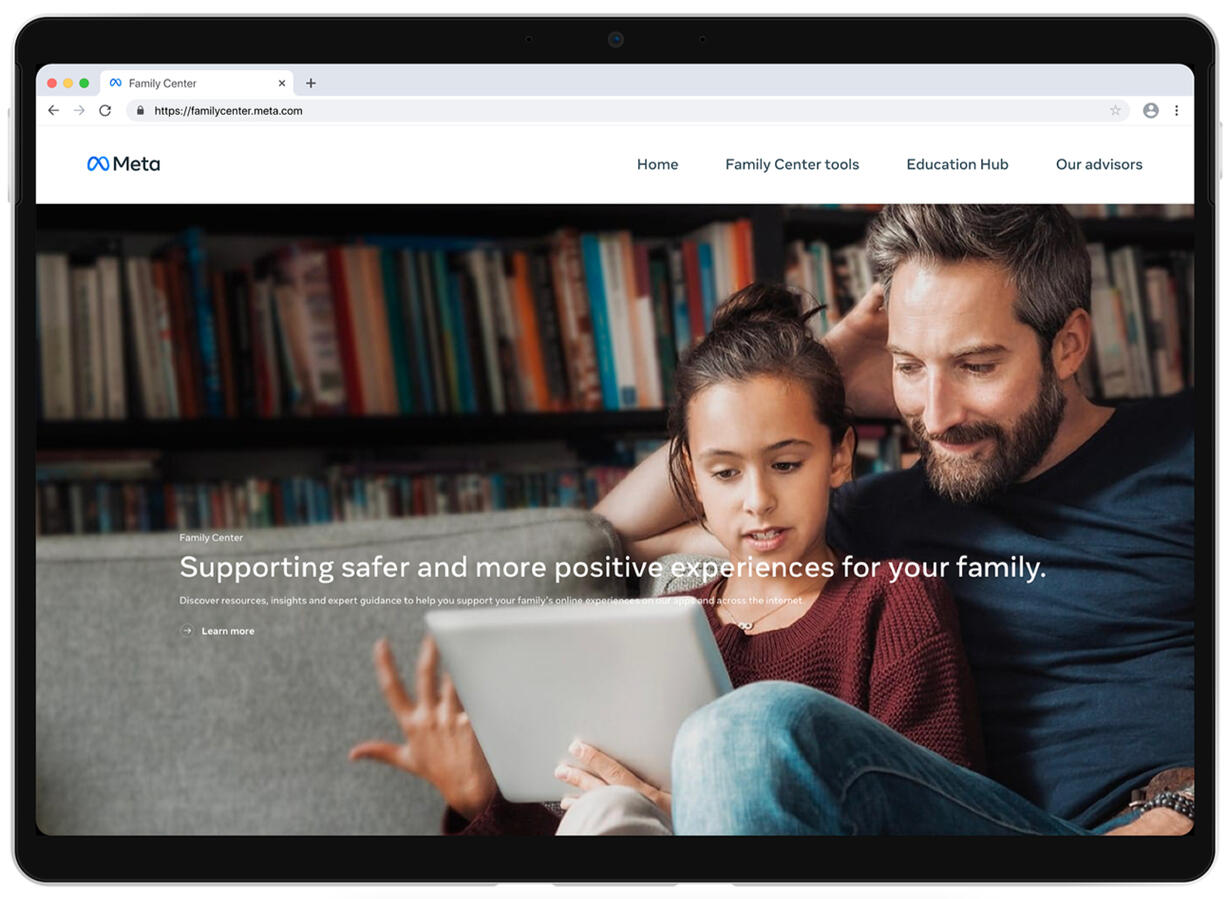
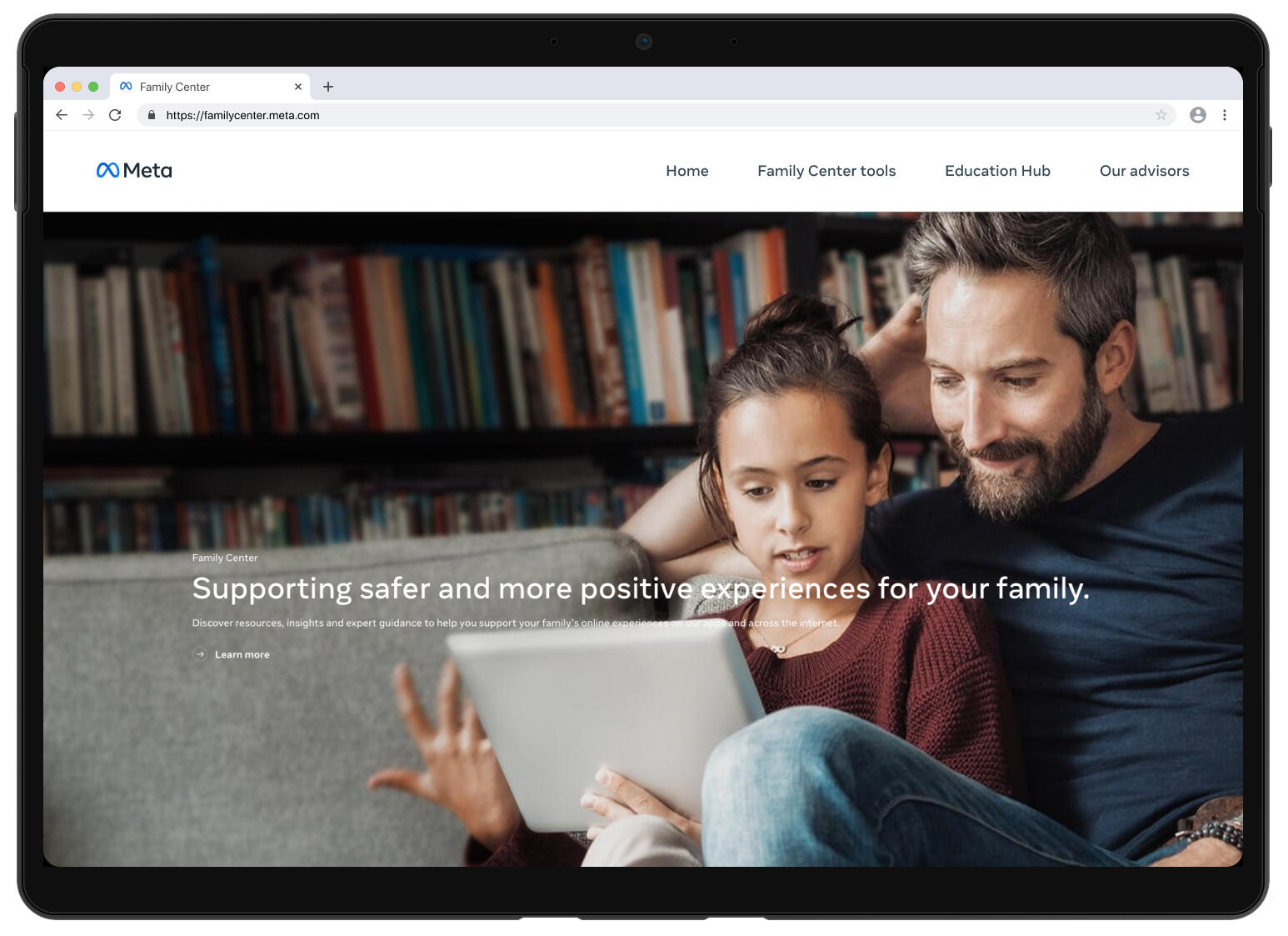
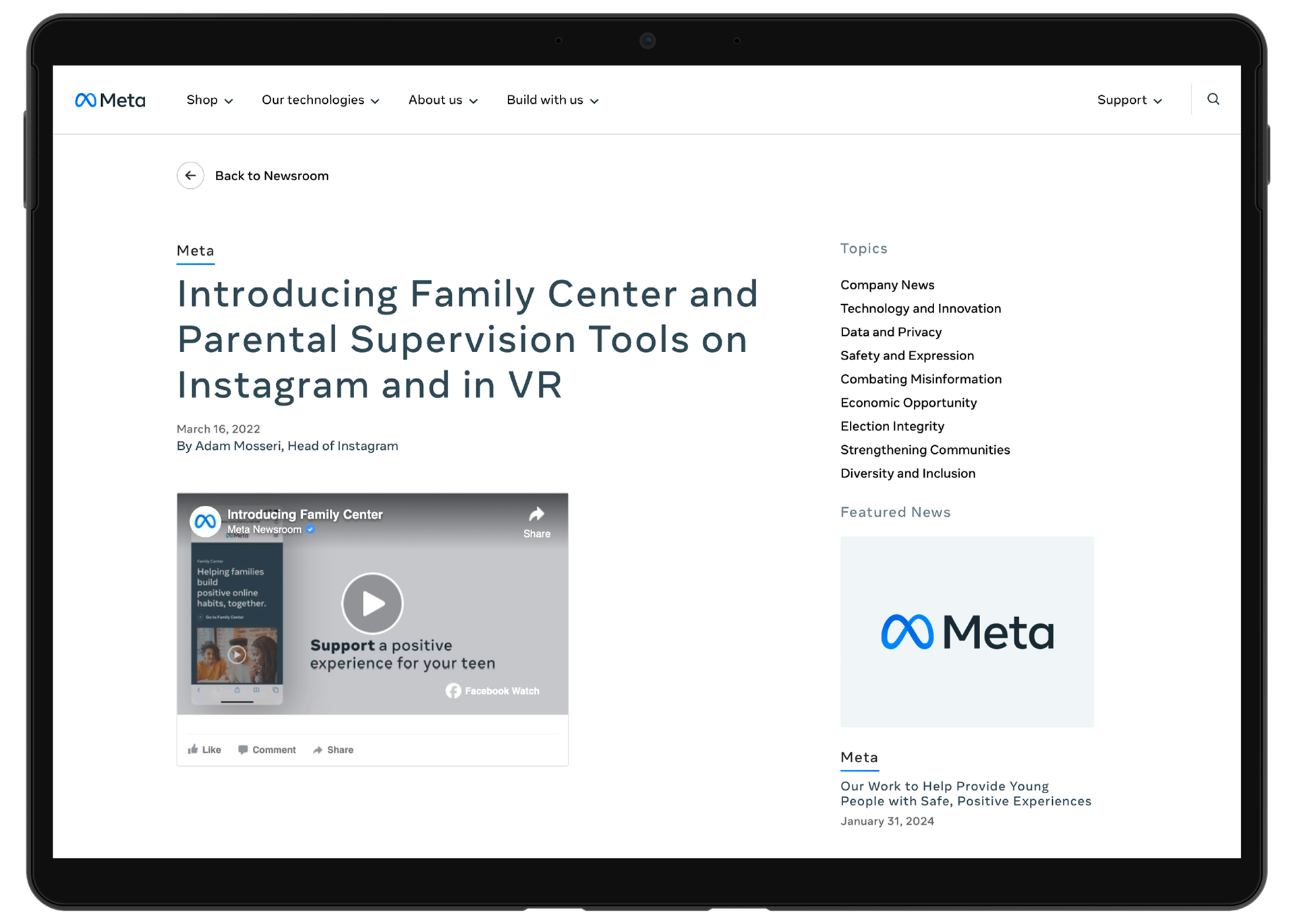
Meta Family Center is a global platform designed to help families manage digital well-being through accessible, culturally inclusive, and multilingual resources.
Leadership Scope
Led key interaction design workstreams within a large cross-functional effort
Defined scalable patterns for accessibility and localization
Influenced content structure and migration strategy
Coordinated closely with engineering and external partners

Opportunity
How might we deliver clear, accessible digital safety guidance for a global audience with varying literacy levels and cultural needs?
Approach
Translated research into clear design principles by focusing on clarity, progressive disclosure, and accessibility for users with varying levels of digital literacy.
Designed modular, scalable content patterns by including step-by-step guidance and structured layouts that made complex information easier to understand and navigate.
Planned for localization early by creating templates and systems that supported multilingual content and reduced rework during global rollout.
Navigated migration constraints by working with engineering and vendors to maintain UX quality while transitioning platforms and systems.
Supported long-term governance by helping define patterns that allowed content to scale and evolve without constant redesign.


Key Decisions
Prioritized progressive disclosure for complex topics
Built localization into the system from the start
Used modular components to support migration and scale


Outcome
~500k users in first week; ~1M in first month; ~10M by mid-2022
Successful global rollout by early 2023
Scaling Impact
Created localization-ready UX patterns and modular systems that enabled global expansion without compromising usability or consistency.
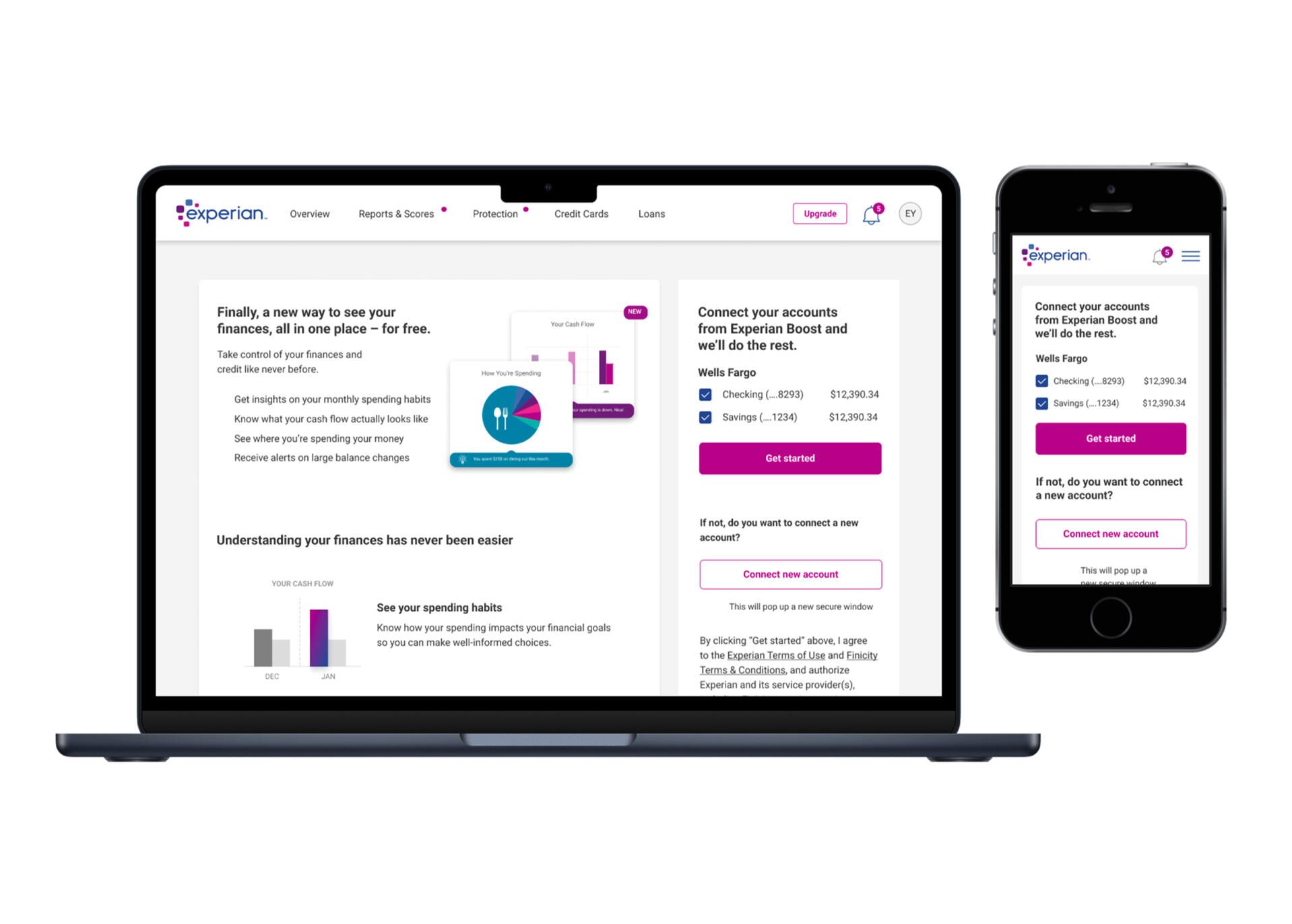
Empowering Financial Wellness Through Scalable Financial Management
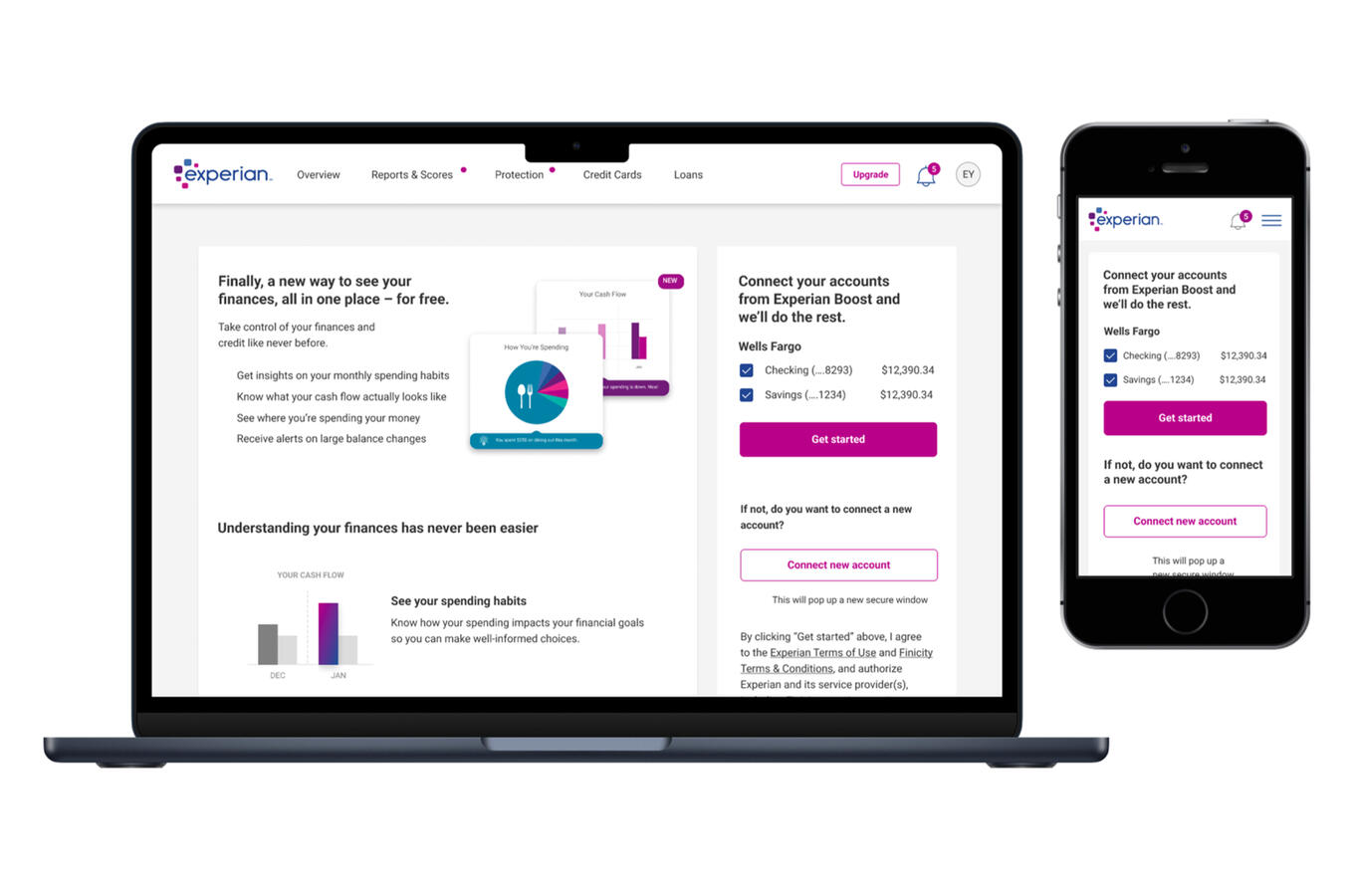
Personal Finances is a financial management tool for Experian Consumer Services designed to help users seamlessly manage accounts, categorize spending, and receive contextual insights by bringing clarity and confidence to everyday financial decisions.
Leadership Scope
Led interaction and visual design across web platforms
Owned experience direction for core financial management workflows
Contributed to design system development and scalable UI patterns
Partnered closely with Product, Engineering, and external data providers (Plaid)

Opportunity
How might we help users manage their finances in a unified, intuitive way while building confidence and understanding over time?
Approach
Framed the experience around user needs by grounding the product in three core pillars—organization, financial understanding, and empowerment—based on research insights into fragmented tools and limited user confidence.
Defined a unified, cross-platform experience by ensuring users could manage accounts, view transactions, and track spending consistently across desktop and mobile environments.
Designed contextual support into the core experience by integrating guidance and educational touch-points directly into workflows rather than separating learning from action.
Iterated on core financial workflows by refining account linking, transaction categorization, and alert systems to reduce friction and improve usability across scenarios.
Addressed data quality challenges head-on by introducing user feedback mechanisms for incorrect transaction categorization and partnering with Plaid to improve accuracy and responsiveness.


Key Decisions
Prioritized unification across platforms to reduce fragmentation in financial management
Embedded education within workflows to build user confidence over time
Introduced user feedback loops to improve data quality and system reliability


Outcome
~400,000 users acquired during beta
~950,000 financial accounts connected
Strong early engagement across account tracking and transaction visibility

Scaling Impact
This work required setting direction across a new product space, aligning user needs with technical constraints, and building systems that balanced usability, data complexity, and scalability.
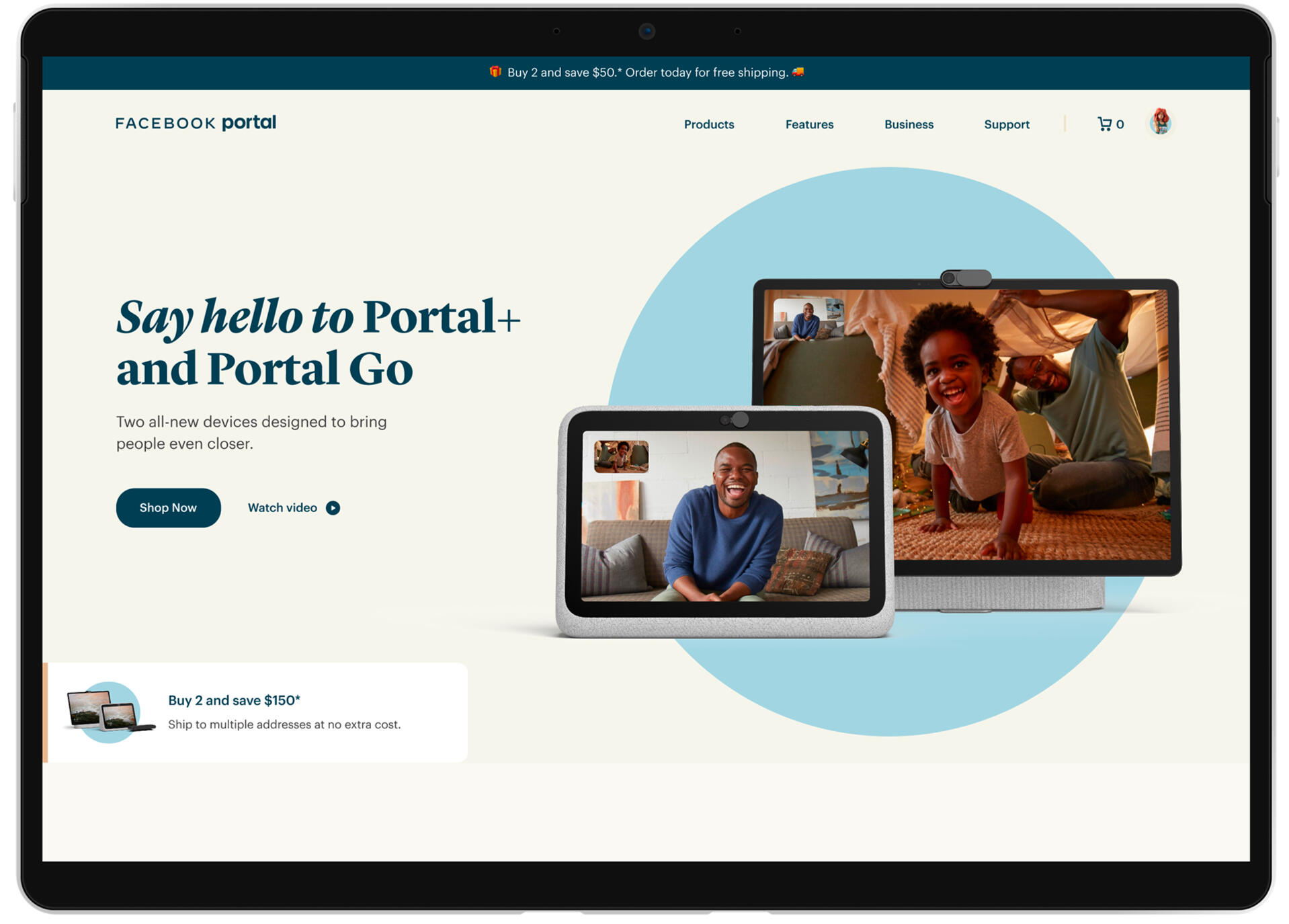
Balancing Performance, Storytelling, and Conversion at Scale
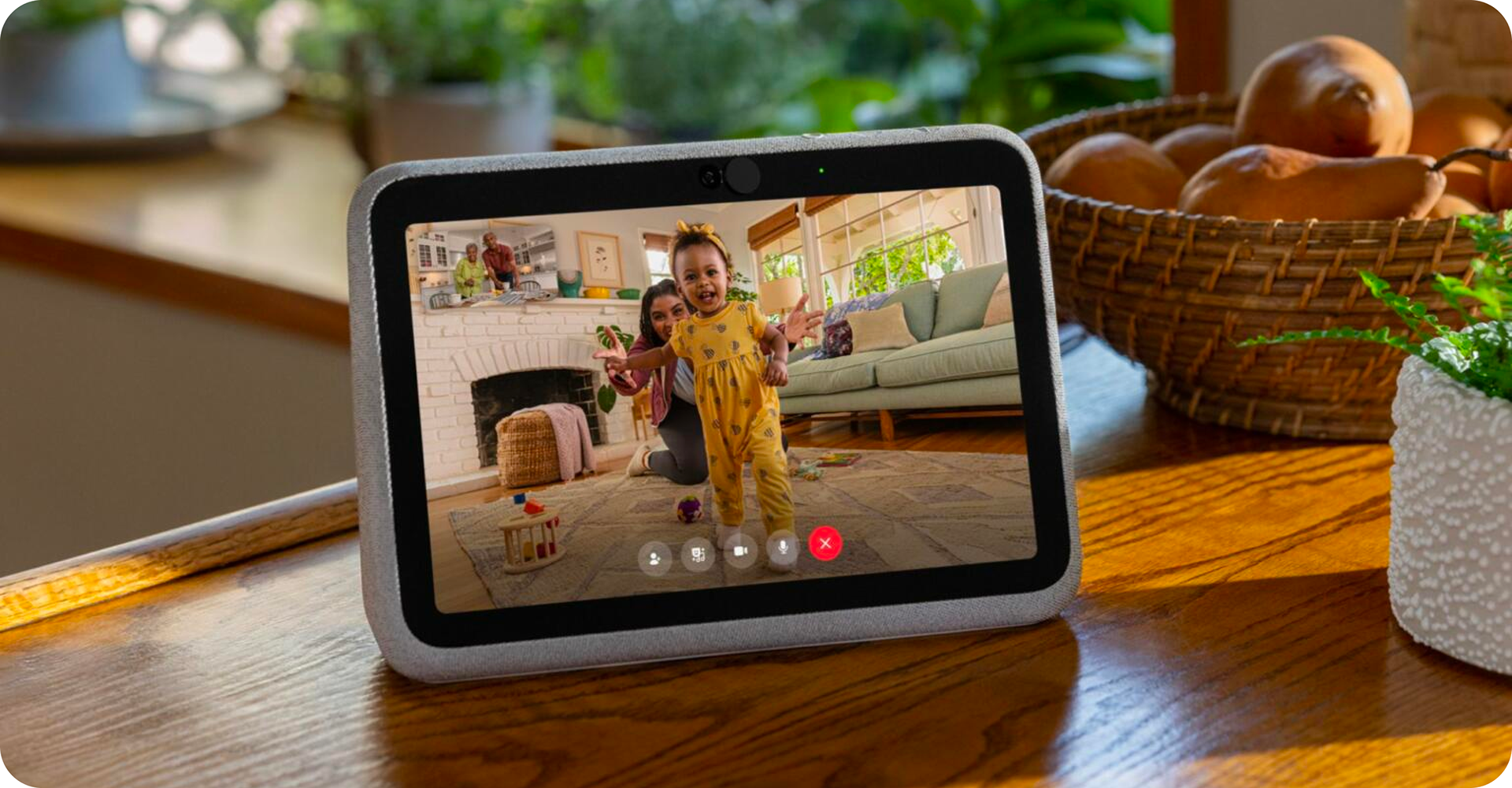
A global redesign of the Facebook Portal site focused on modernizing product storytelling while improving navigation and media performance to drive engagement and conversion.
Leadership Scope
Led visual and system-level design work across key product surfaces
Aligned marketing, product, and engineering priorities
Defined performance-aware design patterns and modular systems
Opportunity
How might we modernize the Portal experience to improve storytelling and usability while supporting performance and conversion goals?
Approach
Focused on high-impact areas by using analytics and research to prioritize improvements in storytelling, navigation, and performance.
Balanced brand expression with performance by designing responsive and optimized media systems that maintained quality while improving load times.
Built modular systems for flexibility by creating reusable components that supported ongoing marketing updates without redesign.
Enabled clean implementation by partnering with engineering to define specs, ensure consistency, and support rollout.


Key Decisions
Prioritized comparison-driven content to support decision-making
Introduced performance-first media strategies
Built modular systems to support evolving marketing needs


Outcome
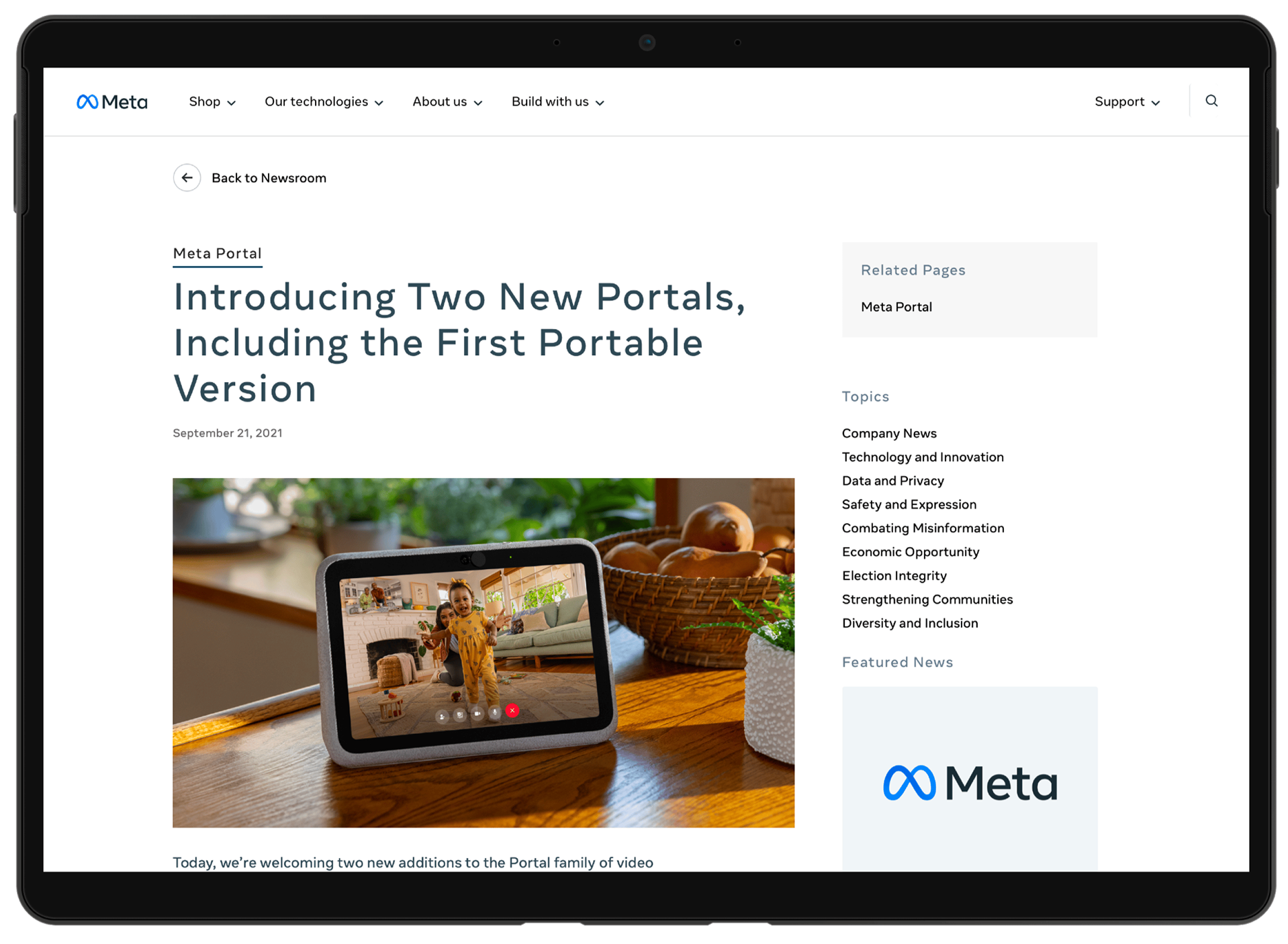
Global launch in September 2021
Improved engagement and conversion (internal metrics)
Scaling Impact
Established reusable patterns for media, layout, and promotional components that allowed the site to evolve with changing business needs.
Hi, I’m Elliot.
I’m a Lead Product Designer based in Southern California focused on turning complex, constraint-heavy problems into scalable product experiences at industry-leading companies.
My work spans personalization, AI-driven tools, and global platforms where I partner with Product, Engineering, Legal, and Marketing to align user needs with business impact. I specialize in setting clear direction, navigating ambiguity, and building systems that scale beyond a single release.
Capabilities
Product strategy · Interaction design · Visual systems · Design systems · Prototyping · Research synthesis · Cross-functional collaboration
Tools & Technology
Figma · Adobe Creative Cloud · AI tools · HTML/CSS
Collaboration
I’ve partnered closely with industry-leading product and engineering teams to translate ideas into scalable, shipped experiences by balancing user needs, business goals, and technical constraints.

Outside of work, I have run marathons and have spent time traveling and living abroad. These experiences have shaped how I approach resilience, empathy, and problem-solving.I’m currently focused on growing my impact through cross-team alignment, mentorship, and helping teams turn ideas into measurable outcomes.

A few kind words
Annette Rodriguez Chang
Cox Automotive,
Principal Product Manager
"Elliot has a great eye for design and paying close attention to detail. Dedicated and passionate about his work and listening to users. Always collaborates with stakeholders, circles back to research insights, asks questions, and seeks clarification.”
Jennifer Mansdorf
Kelley Blue Book,
User Experience Design Manager
"Elliot is one of those rare well-rounded folks... His strong work ethic, dependability, and attention to detail make him an asset to any team.”
Warren TsangExperian Consumer Services,
Lead Product Designer
"If you're looking for a really experienced, professional and dependable designer… He learns new things easily, takes initiative, provides thought leadership and is a consummate professional. Plus he's an enjoyable, positive person to interact with that can really raise a team's culture with his example.”
Thanks for taking the time to explore my portfolio.
If you're interested in collaboration or have questions, feel free to reach out. I look forward to connecting with you.
How I Work
My design approach is grounded in a strategic process that helps teams move from ambiguity to clear, scalable solutions.While the level of depth varies depending on complexity, my focus remains consistent: align stakeholders early, ground decisions in evidence, and build systems that can scale beyond a single release.
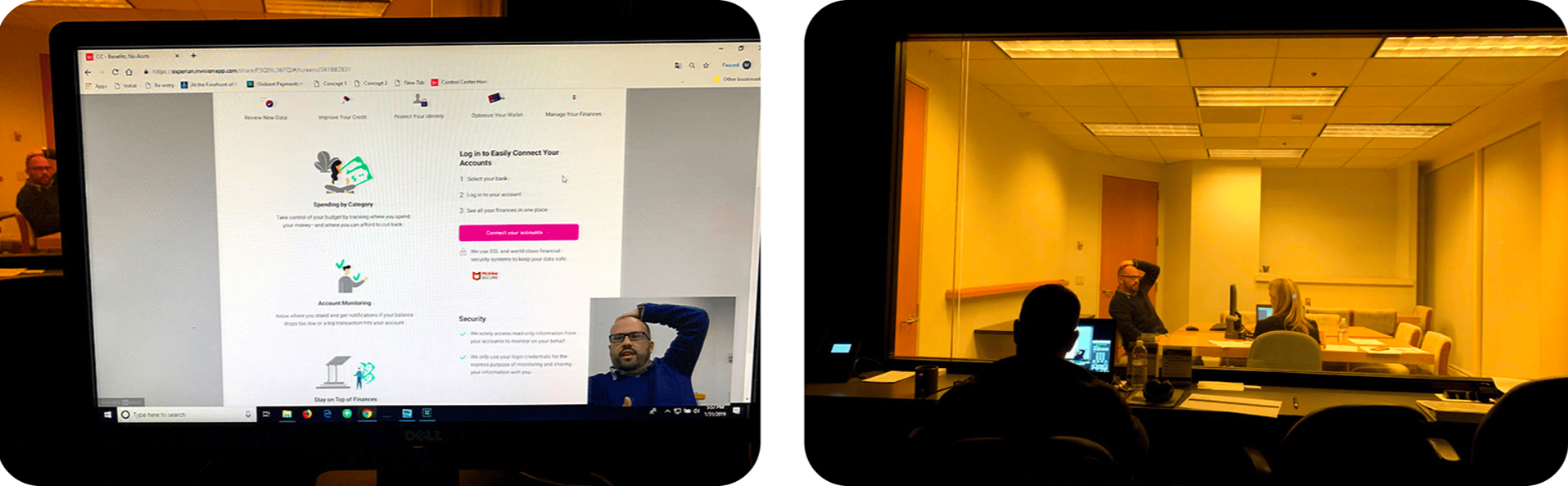
Research & Discovery
I start by framing the problem space aligning on goals, constraints, and success metrics with cross-functional partners.I synthesize available research, market signals, and user insights to identify core needs and opportunity areas ensuring the team is solving the right problem before moving into solutions.
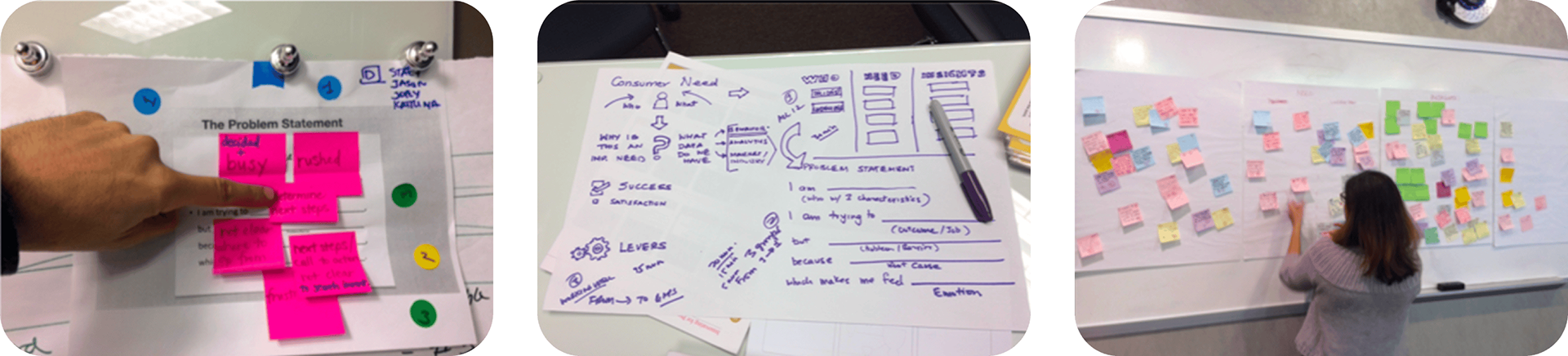
Conceptualization
In early concepting, I focus on defining a clear direction rather than exploring broadly without purpose. I work closely with Product and Engineering to:
Establish experience principles
Align on feasibility and tradeoffs
Develop concepts that can scale
This creates a shared foundation that allows teams to move forward with clarity and confidence.
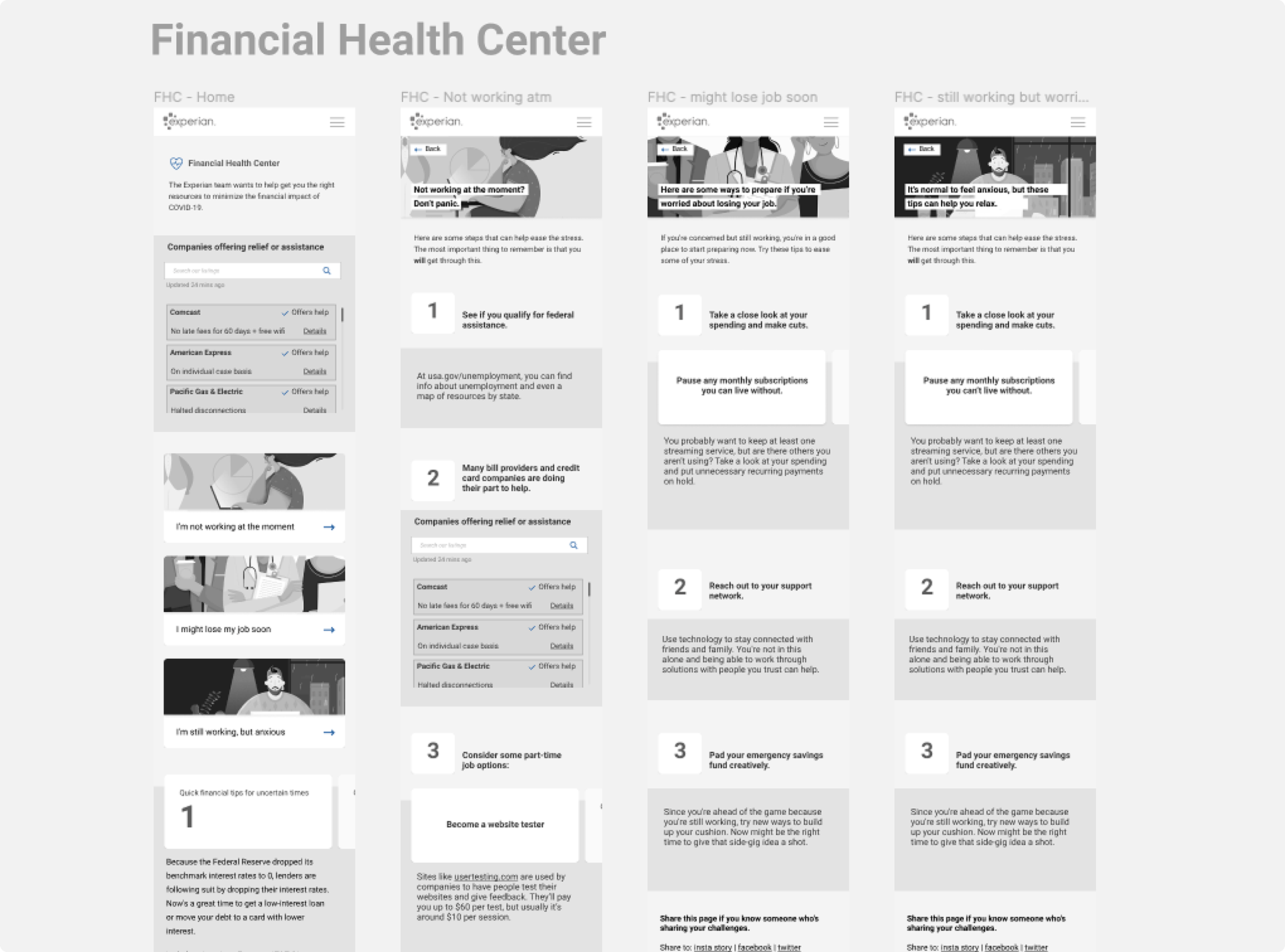
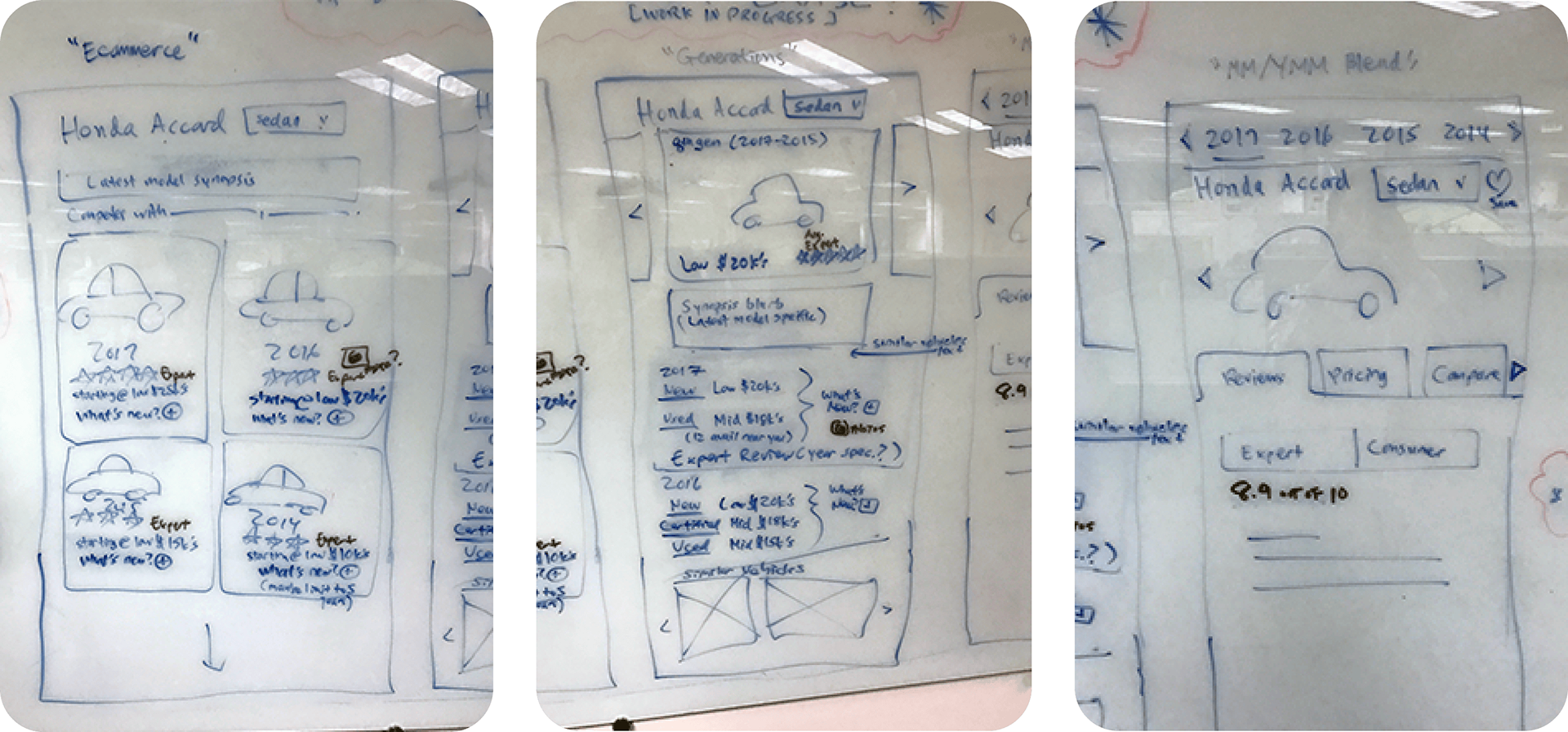
Iterative Design
I treat design as a continuous cycle of refinement that is grounded in feedback, testing, and cross-functional input. Rather than optimizing for a single solution, I focus on improving the system:
Refining flows based on user feedback
Clarifying edge cases and behaviors
Strengthening patterns for reuse
This ensures the work evolves in a way that’s both user-centered and implementation-ready.
Delivery & Scaling
In the final phase, I partner closely with Engineering and Product to ensure designs translate effectively into shipped experiences.I focus on:
Clear documentation and decision rationale
Alignment on behavior and edge cases
Building components and patterns that support future development
The goal is not just delivery, but enabling teams to extend and scale the work over time.
Perspective & Influence
My approach to design is also shaped by experiences outside of work. I have run marathons and spent time traveling and living abroad. These are experiences that have strengthened my resilience, perspective, and ability to navigate complexity.These qualities influence how I collaborate across teams, adapt to evolving constraints, and lead through ambiguity.